 By
By So, How Often Should I Clean My Windows?
A common question for homeowners and business owners alike is “how often should I clean my windows?” The answer depends on a few simple factors, including where you live, the type of property you have, and the local environment. Regular window cleaning not only improves appearance but also helps protect your glass and frames from long-term damage. In this blog, we’ll look at how often you should clean your windows, why regular maintenance matters, and what professionals recommend for the best results.
Why Window Cleaning Is Important
Windows are exposed to weather, dust, and pollution every day. Over time, dirt builds up and affects how your home or business looks from both inside and outside. More importantly, grime and watermarks can damage seals and glass surfaces. Regular cleaning helps prevent this damage, allowing more natural light into your rooms and keeping your windows looking fresh for longer.
The Impact of Dirt and Pollution
Air pollution, rain, and traffic all leave residue on windows. If you live in a busy area or near a main road, dirt can build up quickly. In rural or coastal areas, salt and moisture can leave marks on glass and cause corrosion around frames. These effects are often worse during winter, when rain and wind carry more debris. Without regular cleaning, the build-up can become stubborn and harder to remove.
How Often Should Windows Be Cleaned?
Most homes benefit from a professional clean every six to eight weeks. This schedule helps maintain clear glass while preventing long-term build-up. Businesses or properties in towns and cities may need more frequent cleaning, typically every four weeks, due to higher pollution levels. Homes in coastal areas, such as Hythe or Folkestone, often need cleaning every four to six weeks because of the salt in the air. Rural properties surrounded by trees may also need regular cleaning to remove pollen and bird droppings.
Factors That Affect Cleaning Frequency
Several factors determine how often you should clean your windows.
- Location – Homes near main roads or in town centres gather dust and exhaust particles faster. Coastal homes experience salt build-up, while rural homes deal with pollen and mud.
- Weather conditions – Frequent rain, wind, and storms make windows dirtier, especially during autumn and winter.
- Property type – Commercial buildings with large glass areas, such as offices or shops, often need monthly cleaning. Homes with fewer windows can be cleaned less often.
- Surroundings – If trees or birds are close to your property, marks appear more quickly on glass and frames.
Understanding these factors helps you set a cleaning routine that keeps your property looking its best.
Why Regular Cleaning Is Better Than One-Off Jobs
Some homeowners choose one-off cleaning, but this often leads to more dirt and marks building up between cleans. Regular cleaning prevents staining and keeps the job quick and cost-effective. Dirt is easier to remove when it hasn’t been sitting for months. Consistent maintenance also prevents water spots, mould growth, and permanent marks caused by dried-on grime.
Benefits of Regular Cleaning
Regular cleaning provides more than just clear glass. It offers several long-term advantages:
- Protects your investment – Regular cleaning helps prevent damage to seals and glass, reducing the need for repairs or replacements.
- Improves energy efficiency – Clean windows allow more sunlight in, reducing the need for artificial lighting.
- Enhances kerb appeal – Whether you’re selling your home or running a business, clean windows make a great impression.
- Saves time and money – Frequent maintenance takes less time and keeps costs predictable.
The Difference Between DIY and Professional Cleaning
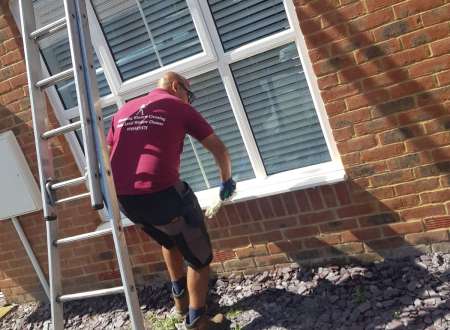
It’s possible to clean your own windows, but it’s not always easy or effective. Household products and tap water often leave streaks because they contain minerals. Reaching upper floors or conservatory windows can also be unsafe without the right tools. Professional cleaners use purified water and extendable poles to clean glass safely from the ground. The purified water dries naturally without marks, leaving a clear finish that lasts longer. You can find out more about how this works by visiting our window cleaning page.
Seasonal Cleaning Advice
The best cleaning schedule may change throughout the year. In spring and summer, pollen and dust levels are high, so more frequent cleaning may be needed. In autumn and winter, rain and wind bring dirt and debris that stick to glass. Booking a professional clean at the start and end of each season helps keep your windows protected all year round. For example, cleaning in early spring removes winter grime, while an autumn clean prepares your home for colder months ahead.
Additional Cleaning Services to Consider
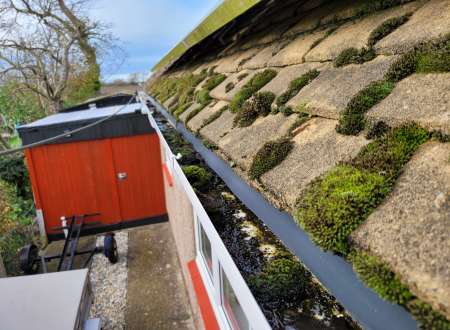
When arranging window cleaning, it’s often useful to book other exterior services at the same time. Gutter cleaning prevents blockages that cause damp and overflow. Conservatory roof cleaning restores brightness to glass roofs that can quickly gather moss and dirt. If you have solar panels, solar panel cleaning helps them stay efficient by removing dust and watermarks that block sunlight. Combining these services saves time and keeps your entire property looking well maintained.
Why Local Expertise Matters
Working with a local company ensures your cleaner understands the environment and how it affects your windows. In Kent, for example, sea air, traffic, and frequent rainfall all influence how often cleaning is needed. Local professionals can advise on the right schedule for your home or business. They also offer flexible visits and reliable service. If you’d like to arrange regular cleaning, you can contact us here to get started.
What to Expect from Professional Cleaning
Professional cleaners bring their own purified water systems and soft brushes designed for different window materials. They clean glass, frames, and sills thoroughly without using harsh chemicals. The result is streak-free, spotless windows that stay cleaner for longer. The process is safe, efficient, and environmentally friendly, making it suitable for homes and businesses alike.
How Long Cleaning Takes
The time needed depends on property size and the number of windows. A small home might take around 30 minutes, while a larger property could take up to an hour. Businesses with large glass areas usually take longer. Regular cleaning shortens each visit, as less dirt builds up between sessions.
Maintaining Windows Between Cleans
You can help your windows stay cleaner between professional visits. Avoid using household cleaners that leave residue, and gently wipe away bird marks or dirt using a soft, damp cloth. Keep nearby plants trimmed and gutters clear to prevent splashes and stains on glass. Simple steps like these can extend the time between cleans and maintain that bright, polished look.
Conclusion
So, how often should I clean my windows? For most homes, every six to eight weeks is ideal, though this can vary depending on location, weather, and surroundings. Regular professional cleaning keeps your property looking fresh, prevents damage, and saves time in the long run. By combining window cleaning with other exterior maintenance, you can protect your investment and enjoy spotless glass throughout the year. At Gleaming Window Cleaning, we provide trusted and efficient services across Kent, helping homes and businesses stay bright, clear, and well maintained all year round.